The Inner Film PP Cup has become a critical innovation in modern packaging, especially for food, dairy, and beverage industries where hygiene, freshness, and tamper resistance are essential. This article explores how this packaging solution works, why it solves common customer pain points, and how businesses can leverage it to enhance product quality and brand trust. From structural advantages to real-world applications, this guide provides a comprehensive breakdown for manufacturers, distributors, and brand owners.
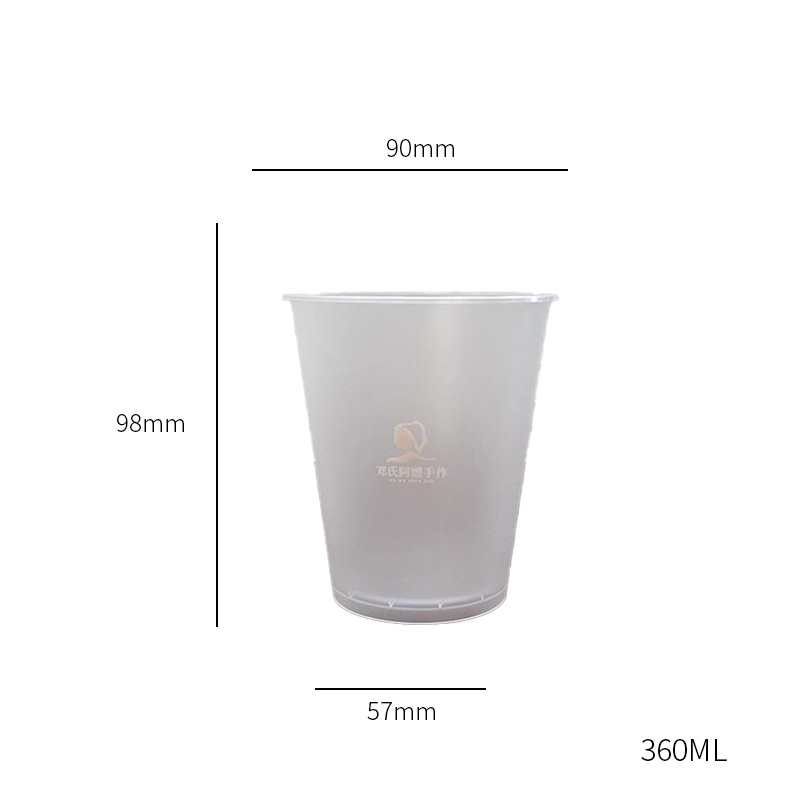
An Inner Film PP Cup is a polypropylene (PP) container integrated with an internal sealing film layer. Unlike conventional plastic cups, which rely solely on external lids or foil seals, this design incorporates an additional internal barrier that enhances product protection.
This dual-layer system ensures better containment, reduces contamination risk, and extends shelf life.
The functionality of an Inner Film PP Cup is based on a multi-step sealing and protection mechanism:
The inner film acts as a primary barrier, preventing oxygen ingress, moisture loss, and microbial contamination. Even if the outer lid is compromised, the internal film maintains product integrity.
| Feature | Benefit |
|---|---|
| Dual-layer protection | Enhanced hygiene and safety |
| Leak resistance | Reduced product loss during transport |
| Extended shelf life | Lower spoilage rates |
| Tamper evidence | Improved consumer trust |
| Customizable design | Stronger brand identity |
For manufacturers, this means fewer returns and complaints. For consumers, it ensures confidence in product quality.
1. Leakage During Transportation
Traditional cups often fail under pressure or temperature changes. The inner film provides an additional seal that significantly reduces leakage risks.
2. Short Shelf Life
Exposure to air and moisture accelerates spoilage. The internal barrier slows down oxidation and preserves freshness.
3. Tampering Concerns
Consumers are increasingly concerned about product safety. The inner film serves as a visible tamper-evident layer.
4. Inconsistent Product Quality
Improper sealing can lead to contamination. The integrated film ensures consistent sealing performance.
Inner Film PP Cups are typically manufactured using food-grade polypropylene combined with high-barrier films such as:
| Parameter | Typical Range |
|---|---|
| Temperature resistance | -20°C to 120°C |
| Capacity | 100ml – 1000ml |
| Sealing method | Heat sealing / Ultrasonic sealing |
| Material compliance | Food-grade standards |
Companies like Jiangsu Chuangyou specialize in producing high-quality Inner Film PP Cups tailored to diverse industrial needs.
These cups are particularly valuable in cold chain logistics and high-sensitivity products.
| Aspect | Traditional PP Cup | Inner Film PP Cup |
|---|---|---|
| Sealing | Single layer | Dual-layer protection |
| Leak resistance | Moderate | High |
| Shelf life | Shorter | Extended |
| Safety | Basic | Enhanced |
| Consumer trust | Standard | Higher |
Selecting the right product involves evaluating several factors:
It is advisable to collaborate with experienced manufacturers such as Jiangsu Chuangyou to ensure optimal packaging performance and cost efficiency.
Q1: Is an Inner Film PP Cup recyclable?
Yes, polypropylene is recyclable, but recycling efficiency depends on local facilities and film composition.
Q2: Can it withstand high temperatures?
Most PP cups are heat-resistant and suitable for hot-fill processes, depending on the specific design.
Q3: Does the inner film affect product taste?
No, food-grade films are designed to be inert and do not alter taste or odor.
Q4: Is it suitable for export products?
Absolutely. Its enhanced sealing makes it ideal for long-distance shipping.
Q5: Can the design be customized?
Yes, sizes, shapes, and printing can all be tailored to branding requirements.
The Inner Film PP Cup represents a significant advancement in packaging technology, addressing critical issues such as leakage, contamination, and shelf life. By integrating an internal sealing layer, it offers superior protection and reliability compared to conventional solutions.
For businesses aiming to enhance product quality, reduce losses, and build consumer trust, this packaging option is a strategic investment. Partnering with industry experts like Jiangsu Chuangyou ensures access to high-performance solutions tailored to your needs.
If you are looking to upgrade your packaging and gain a competitive edge, now is the time to act—contact us today to explore customized Inner Film PP Cup solutions for your products.