We often use plastic bags for shopping and packing, but composite bags are becoming increasingly popular. Many people wonder if composite bags can be reused more often than regular plastic bags. After all, being able to reuse them more often saves money and is better for the environment. The answer is clear: composite bags are indeed more reusable than regular plastic bags. This isn't a random statement. Composite bags are durable and can be reused many times, while regular plastic bags may break after just one or two uses.
Regular plastic bags are made from a single layer of polyethylene or polypropylene and are very thin, typically only 0.02-0.03mm. This material and thickness make them less durable. For example, if sharp objects like bones or shells are found in regular plastic bags containing vegetables, they can easily puncture the bag. Even if the bag is filled with soft items like clothes or sundries, the handles can easily break after carrying heavy items for a short distance, making it essentially unusable after just one or two uses. Furthermore, ordinary plastic bags are particularly delicate, vulnerable to both sunlight and cold. Leaving them on a balcony for a few days will cause them to become brittle and break easily. In winter, when temperatures drop, they can harden and crack, making them virtually impossible to reuse.
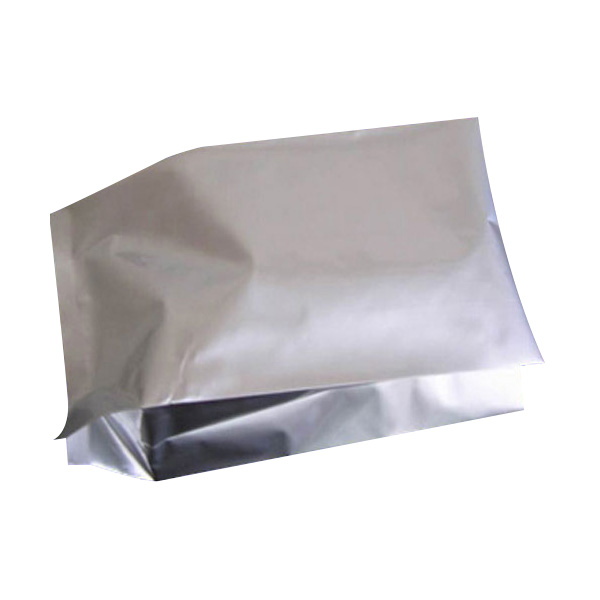
Composite bags are made by combining two or more materials. Common examples include plastic and non-woven fabric, plastic and aluminum foil, and multi-layered plastic. They are typically much thicker than ordinary plastic bags, typically between 0.05 and 0.1mm, with some even thicker. This composite structure, combined with the thicker material, significantly improves their toughness, load-bearing capacity, and environmental resistance. For example, a common plastic-non-woven composite bag has an outer non-woven fabric layer that increases the bag's abrasion resistance and tensile strength, while the inner plastic layer provides water resistance, preventing leaks even when slightly wet. The handles resist tearing when carrying heavy items, and they're also less susceptible to punctures when used with slightly sharp objects. I've used composite bags to carry household items, and they've held up well even after several moves. I've also used them to carry seasonal clothing, using them over a dozen times and they're still working great. If it were a regular plastic bag, it would have torn and become unusable.
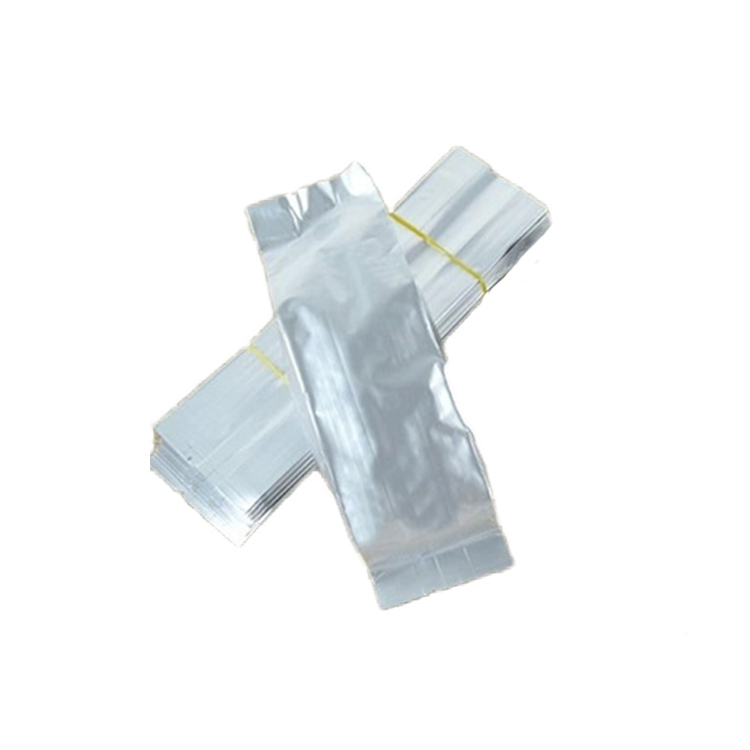
Composite bags can be used in a much wider range of situations than regular plastic bags, accommodating more complex situations and allowing for greater reuse. For example, when used to store fresh produce, regular plastic bags for chilled meat or seafood will soften after being soaked in ice water, reducing their load-bearing capacity and potentially leaking, rendering them useless after just one use. However, the aluminum foil or multi-layered plastic composite bags used in composite bags are not only waterproof but also provide a certain degree of insulation. They resist softening and leaking when used to store chilled produce, and can be washed and dried after use, making them reusable the next time. For items like cosmetics and electronics that need to be protected from drops and scratches, regular plastic bags offer little protection and can easily damage the contents. However, composite bags are more durable and offer some cushioning and protection, allowing them to be reused for these items, unlike regular plastic bags that must be thrown away after just one use.